I was fifteen, we were living in Hong Kong, and I had a theory about sponge cake.
The theory was this: sponge cake is light and fluffy because of eggs. Therefore, more eggs means more lightness. More lightness means a better cake. The flour was, in my assessment, largely incidental. And I’ve never had any respect for recipes. “Nonsense! I will do this by sheer instinct” has been generally my motto.
I adjusted the recipe accordingly. Significantly more eggs. Significantly less flour. I mixed the batter, poured it into the tin, and put it in the oven with the calm confidence of someone who has just solved a problem that professional bakers had apparently been too conventional to notice.
It rose beautifully.
I want you to understand how beautiful it was. Golden, domed, gleaming with a faint butter sheen. It looked like the platonic ideal of a sponge cake. I called my father to look at it. We were both impressed.
We cut into it.
The sound it made was phuuussss — the precise sound of a balloon meeting its end. The dome collapsed. The entire structure, it turned out, had been air. A thin sweet shell of cooked egg surrounding absolutely nothing. We stood there with a knife and a very flat thing that was, technically, an omelette.
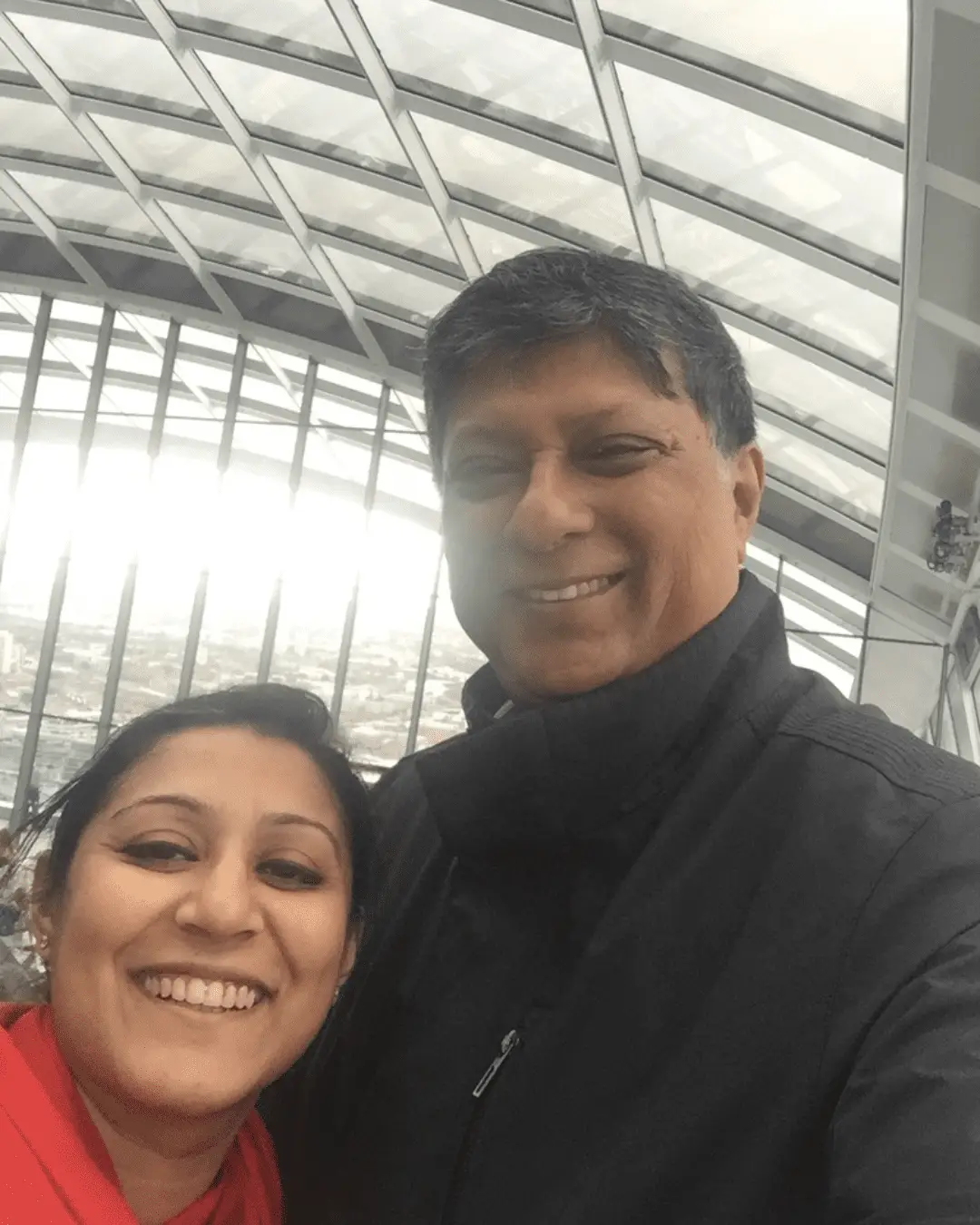
My father has told this story at dinner tables for thirty years. He tells it with his big laugh. I have made my peace with this.
What I learned that day wasn’t how to make a sponge cake (I now follow this Martha Stewart recipe). It was that disasters in the kitchen don’t put me off — they pull me further in. That curiosity has never really gone away.
It thankfully produces slightly better results these days. If you’re curious, the shop is where they ended up.
— — —
Chom Chom Pantry · Kotagiri, Nilgiris