In the beginning, I only wanted vegetables.
This is the confession of someone who now has lavender, roses, marigolds, lemongrass, three kinds of basil, turmeric, ginger, 6 different lime and orange trees, various medicinal plants whose names I’ve learned and half-forgotten and relearned, fruit trees in various states of establishment, and a cutting garden that produces flowers for the house from March through November.
The vegetables are still there. They’re just not the whole story anymore.
It started with Barbara.
Barbara, who I’ve written about before, is a woman I met in Auckland in 2016 — slightly wild, tremendously knowledgeable, the owner of a garden that looks, at first glance, like it has been left to sort itself out. On closer inspection it is one of the most intentional spaces I’ve ever seen. Everything grows near something it helps. Nothing wasted. The whole thing humms. She introduced me to companion planting and the idea of permaculture — that a garden, if you design it right, works with nature rather than against it, that you’re meant to share with all creatures. That diversity is strength.
I came home from that trip and started paying attention differently.
Two years later I did a permaculture (PDC) course, led by Malvikaa Solanki, a woman who has built Swayyam, what was once an arid-stone-ridden land into a biodiverse, fully self-sustaining farm in Karnataka. I was reassured this is something a woman can do on her own!
I also came back knowing two things: I wanted to grow food, and I wanted to grow it properly, with intention, and connection.
Goa- Trial, error, and extreme climate
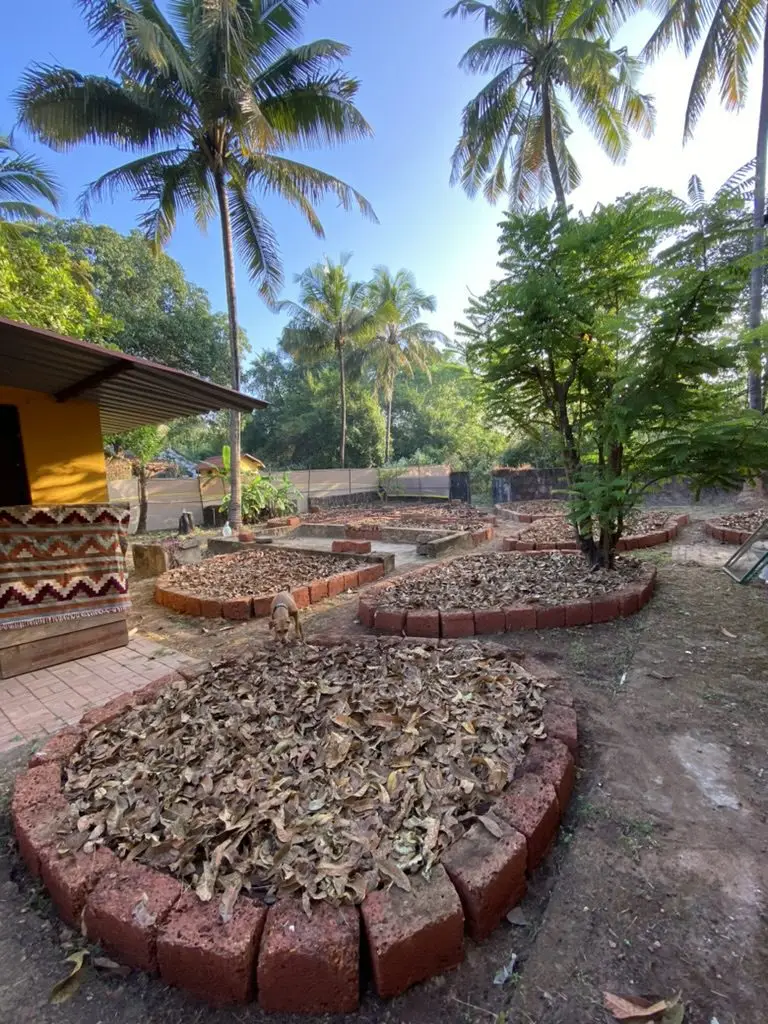
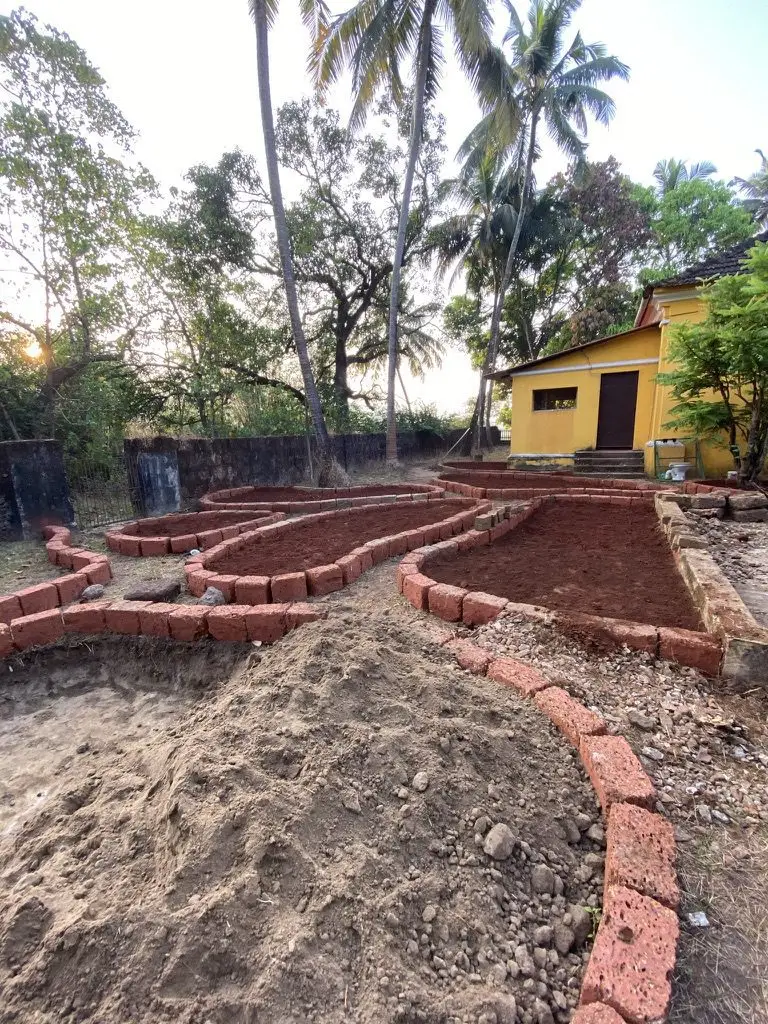
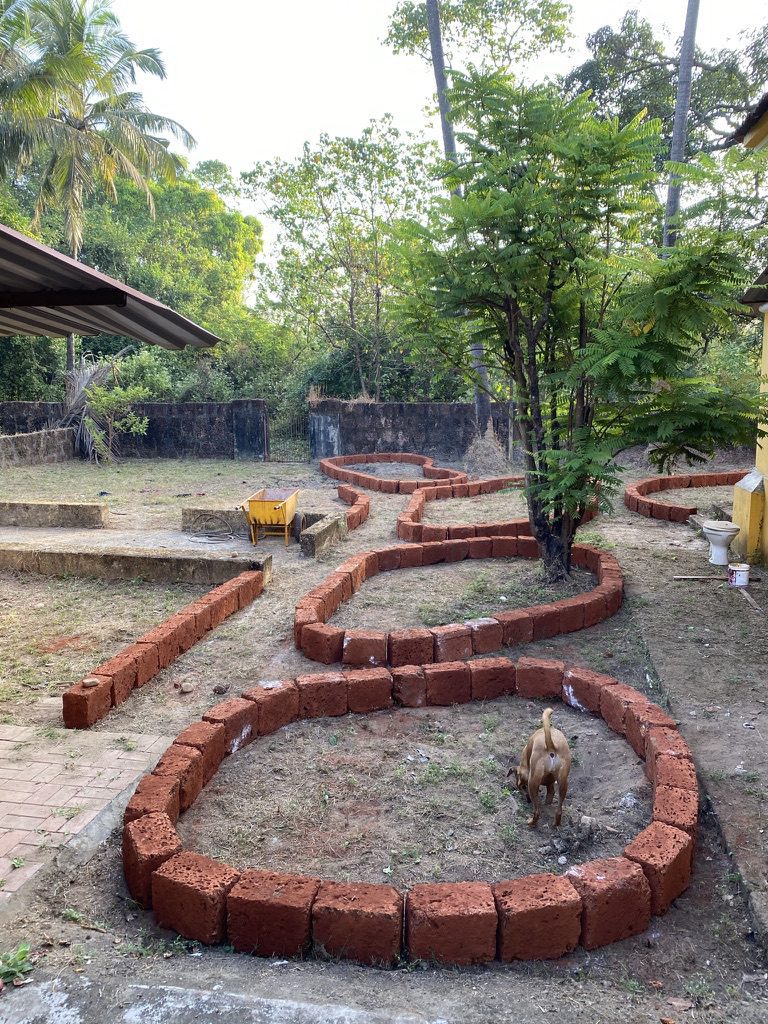
The Goa garden was the first real attempt. I made every beginner’s mistake — hired the wrong people, spent money on unnecessary labour, let professionals misguide a newbie. But during the worst of Covid, when the markets were unreliable, that garden fed us anyway. That felt extraordinary. It still does, when I think about it. We ate what we grew.
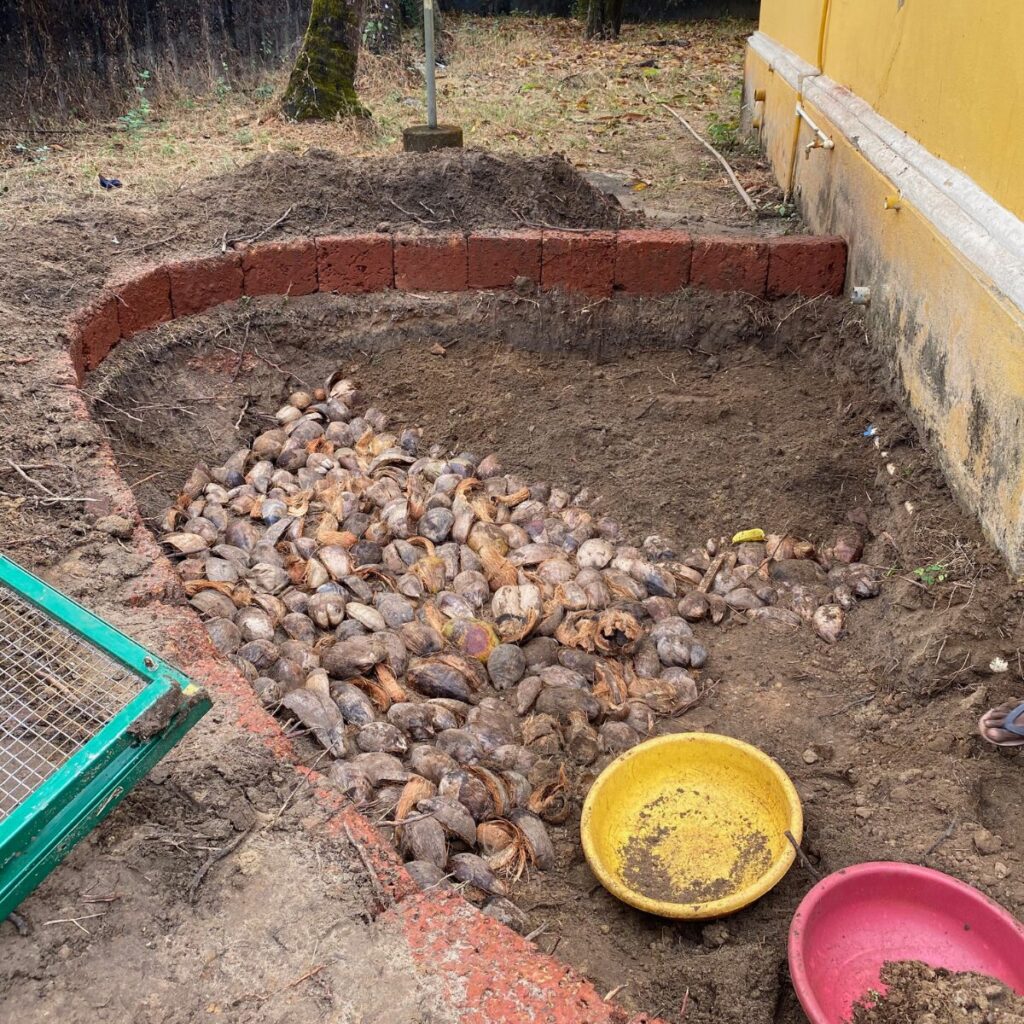
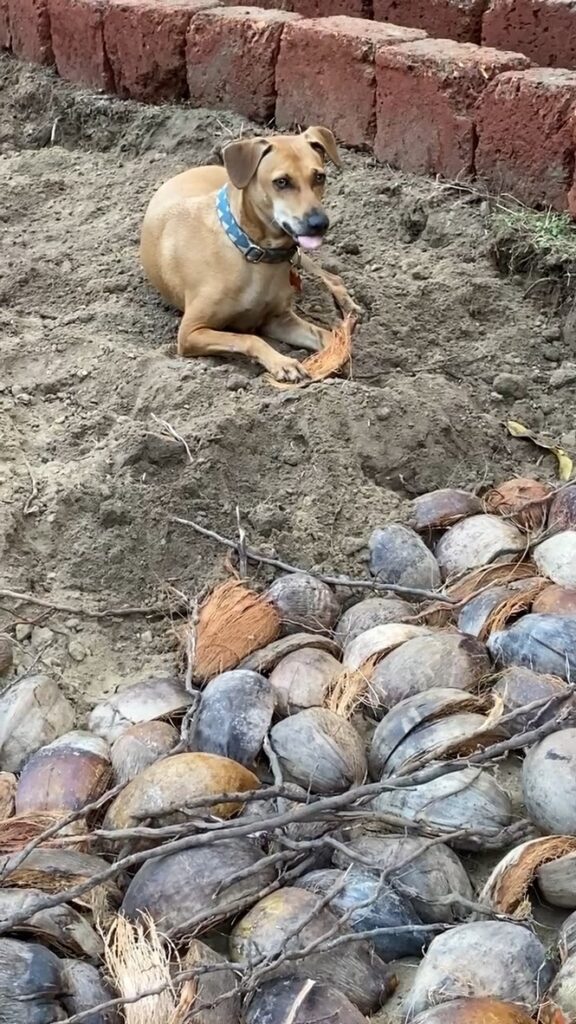
The Goa garden -- a lesson in not blindly trusting 'garden-set-uppers': They did everything that was completely unnecessary and added cost: Beds were dug out, soil filtered to take old construction debris out while labour days piled up, then the beds were lined with coconut husk to help retain water (not really something that was required in a sandy soil of Parra, Goa. Truckloads of wood mulch and vermicompost followed.
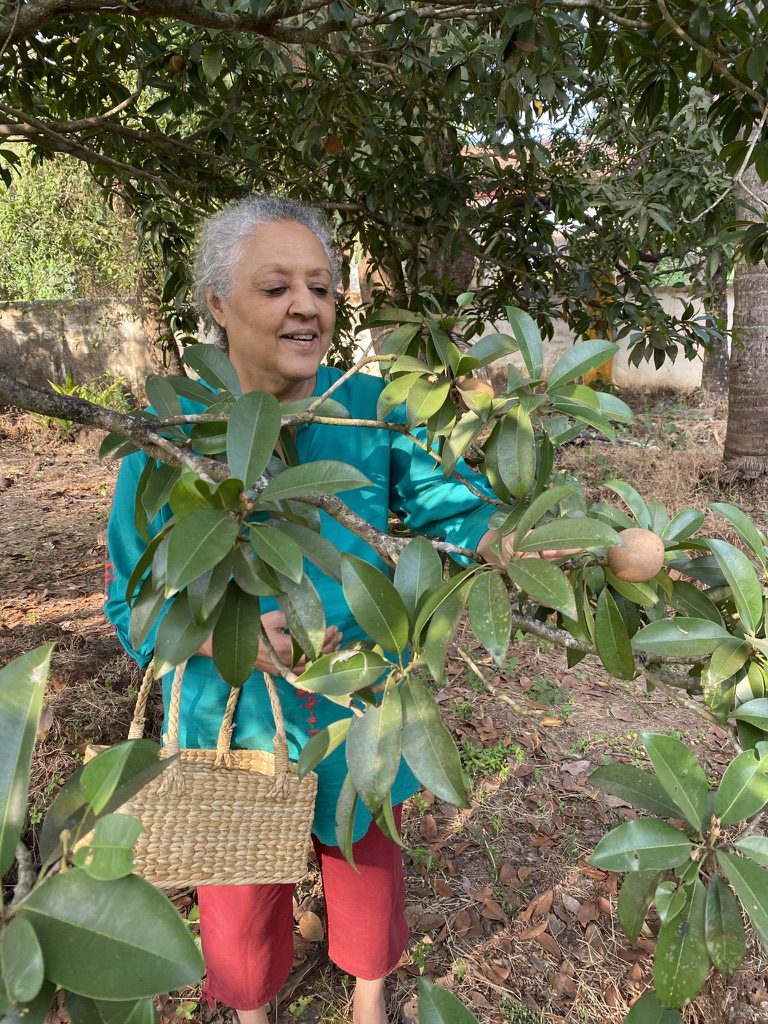
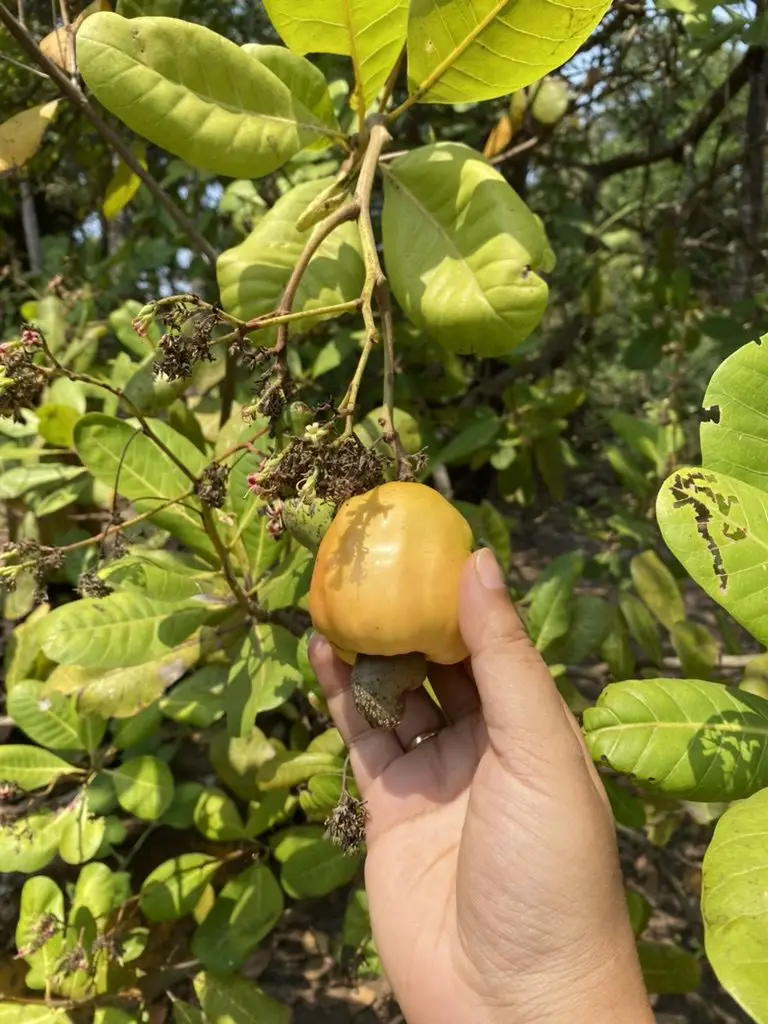
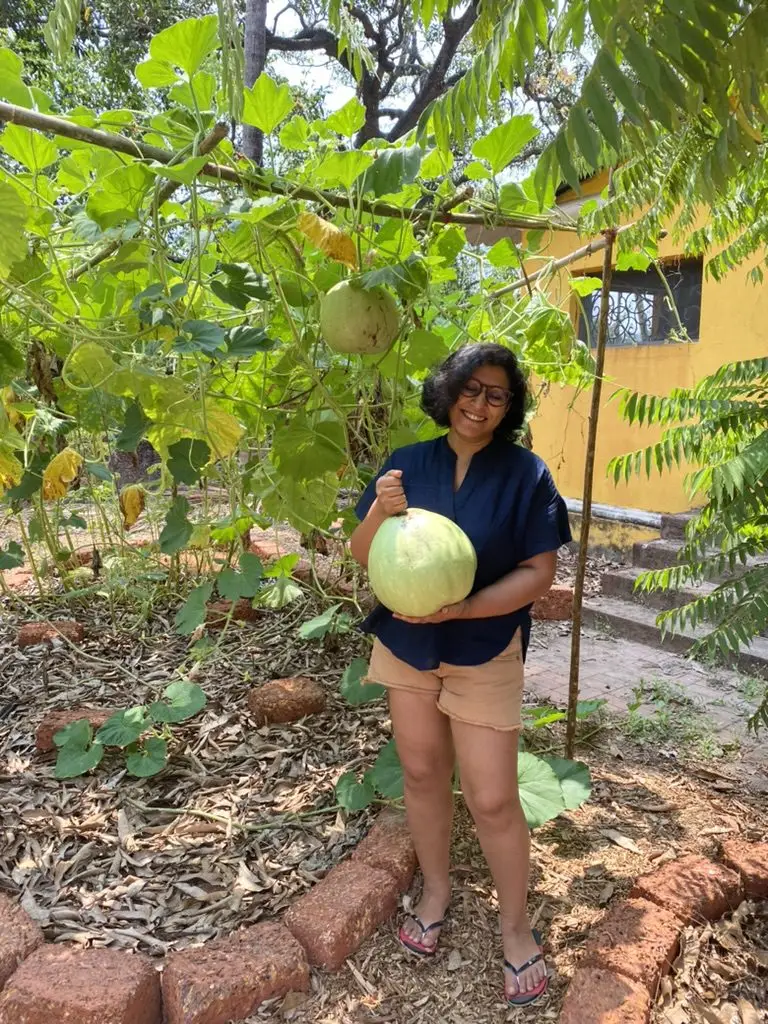
The soil took 2.5 years to build into anything remotely healthy, and by then it was time for me to move! But I did have some random successes. Bananas, one round of round gourds, 2 Picasso-esque cucumbers, lots of rosella, red okra, cinnamon and lemon basil, lemongrass, pepper, black chillies. The land already had cashew, cheeku, mango, coconut, amla and a bimli tree that gave in abundance.
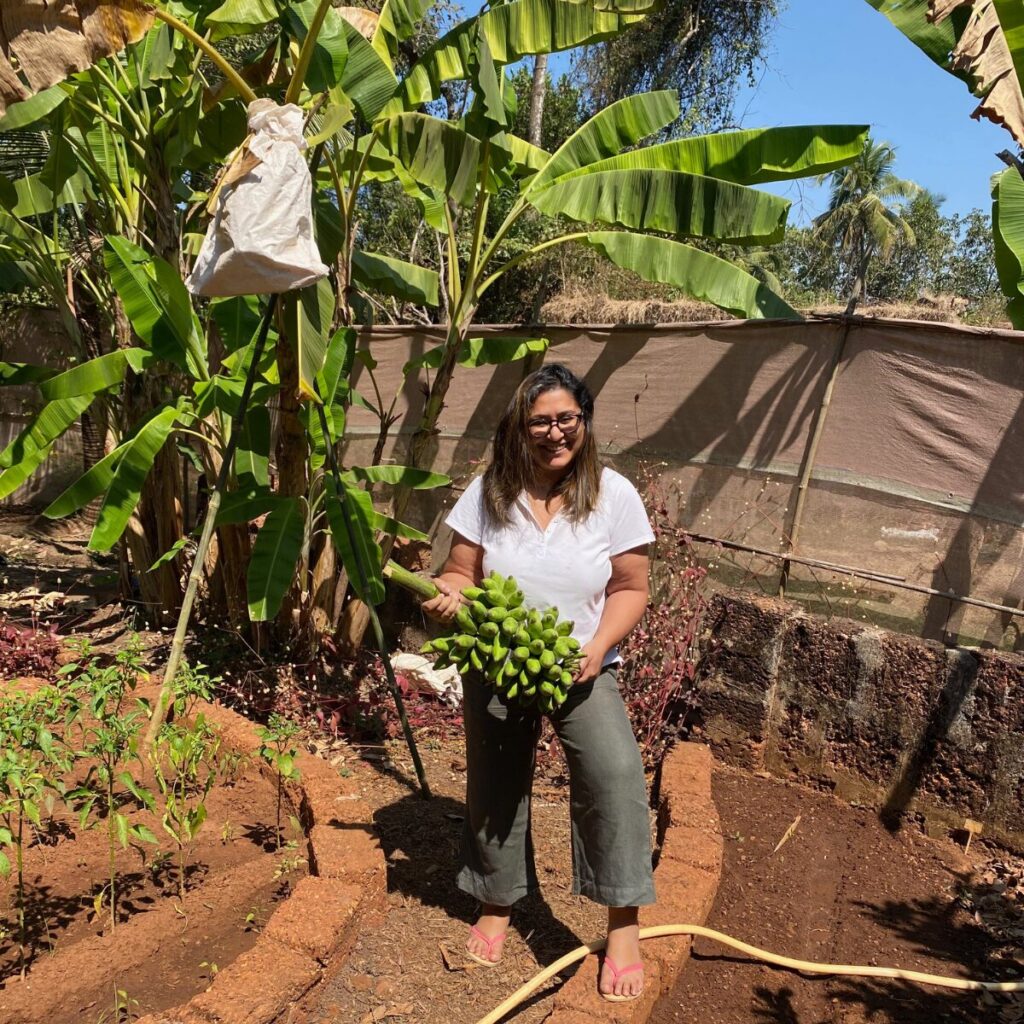
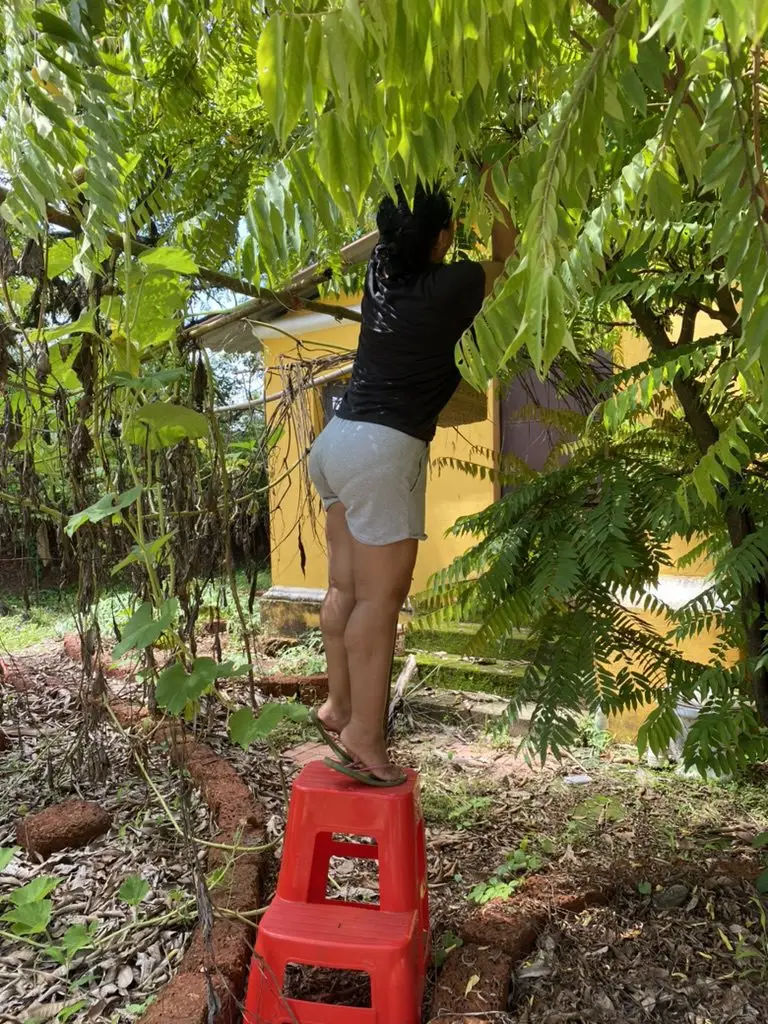
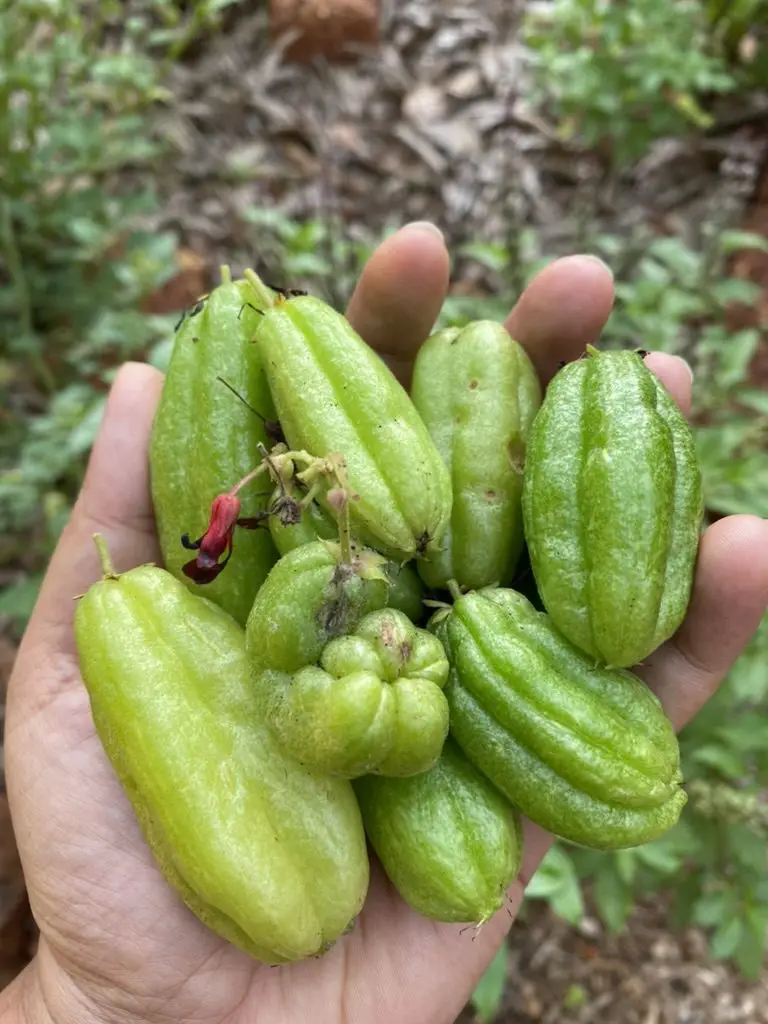
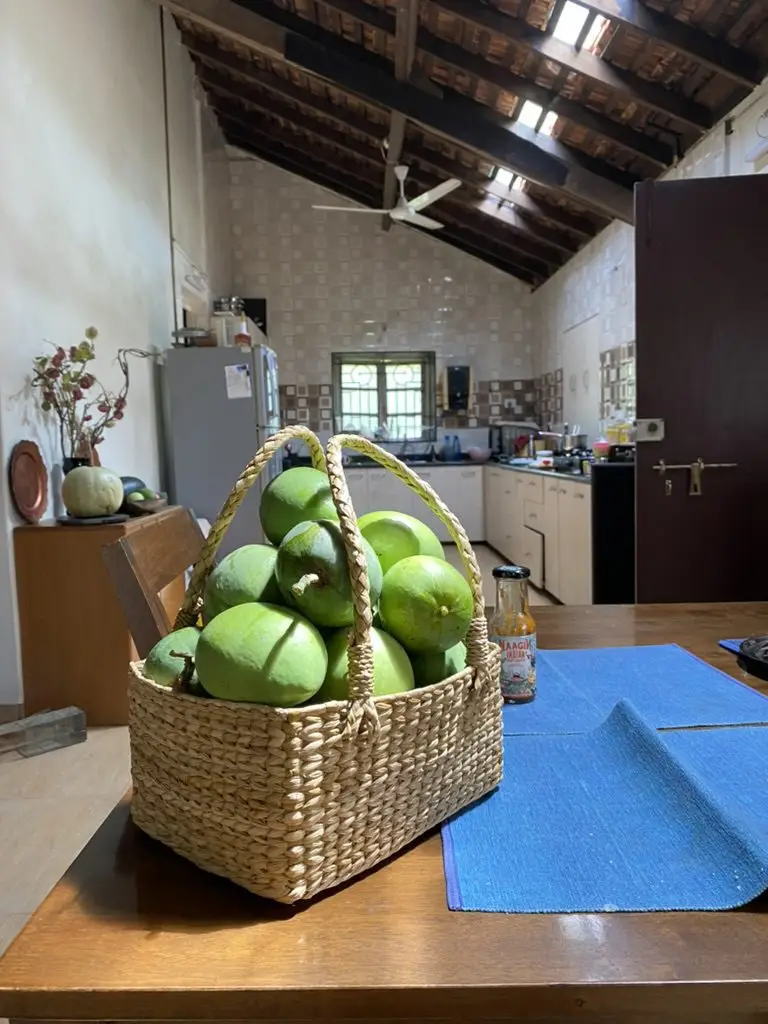
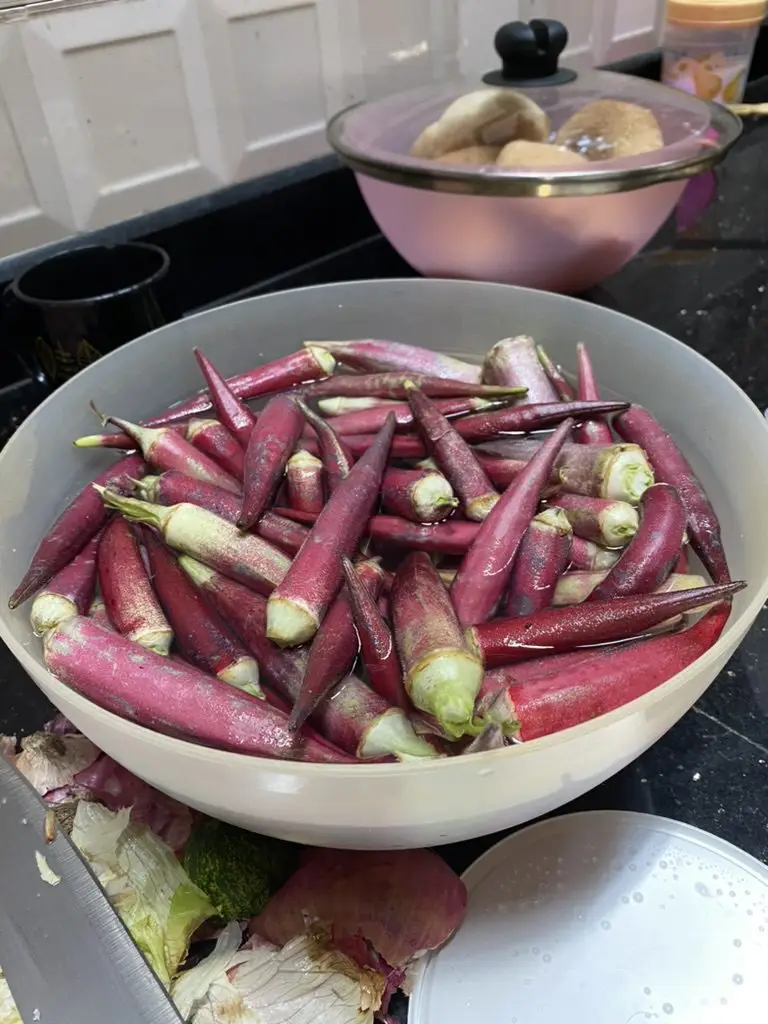
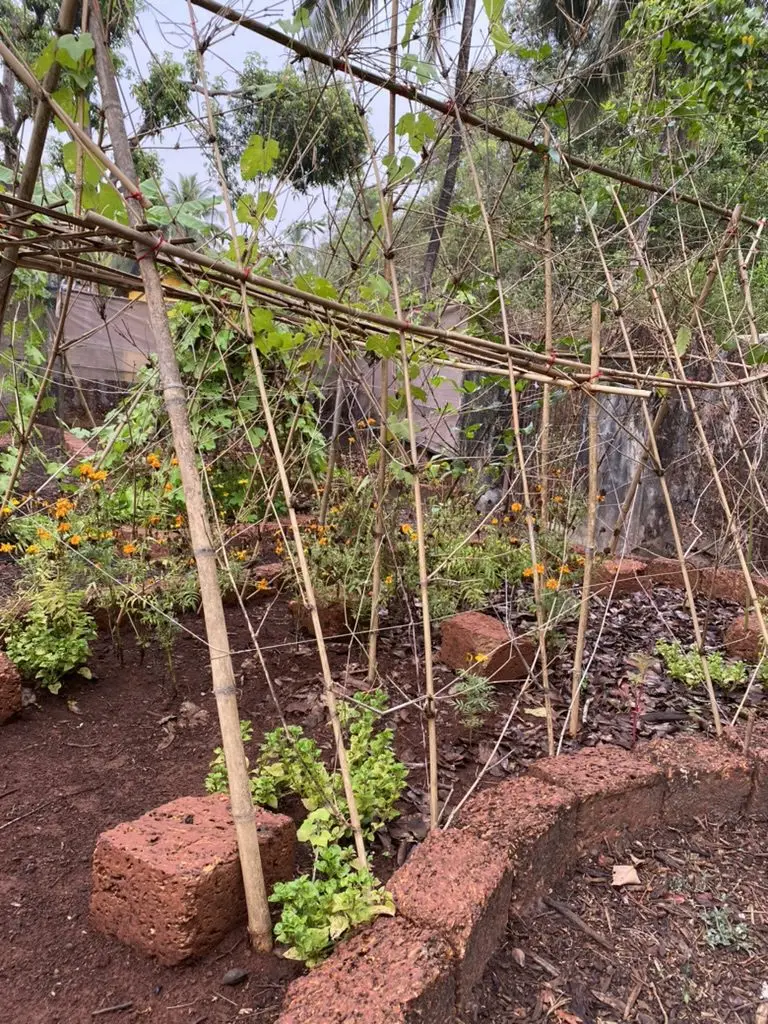
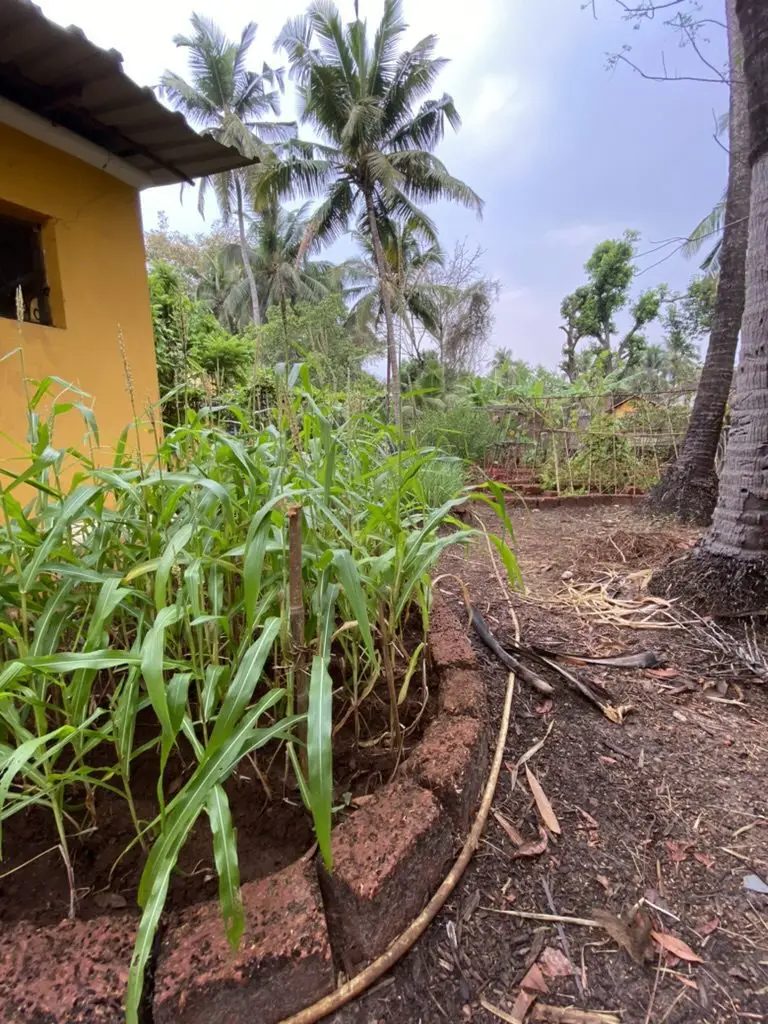
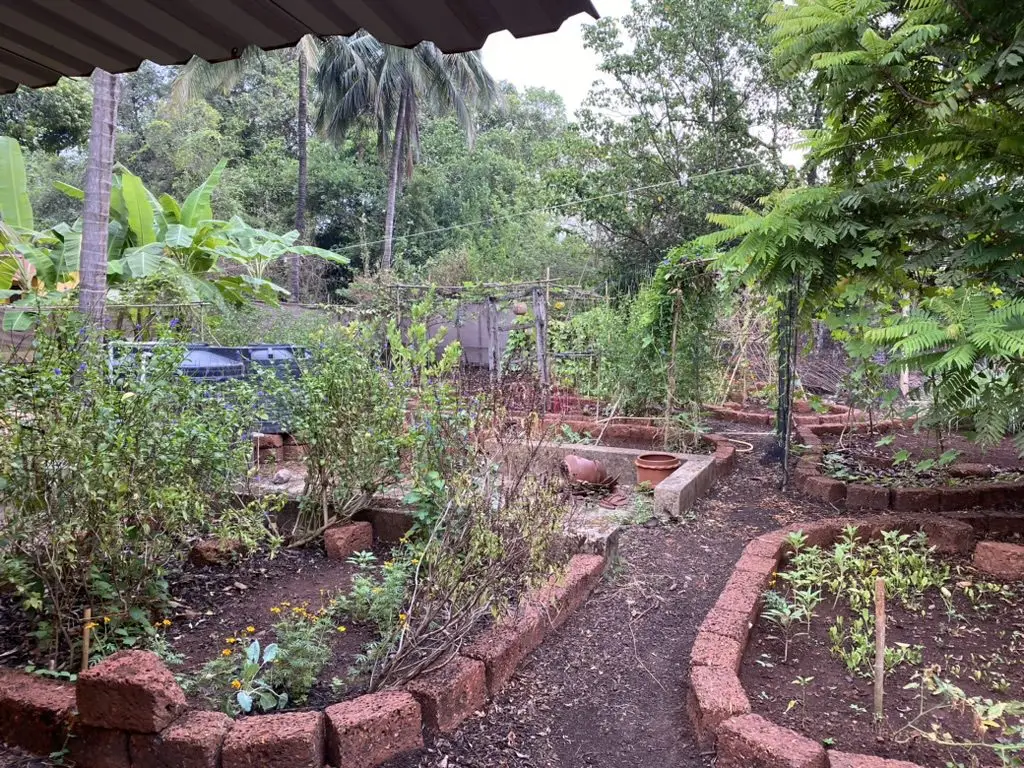
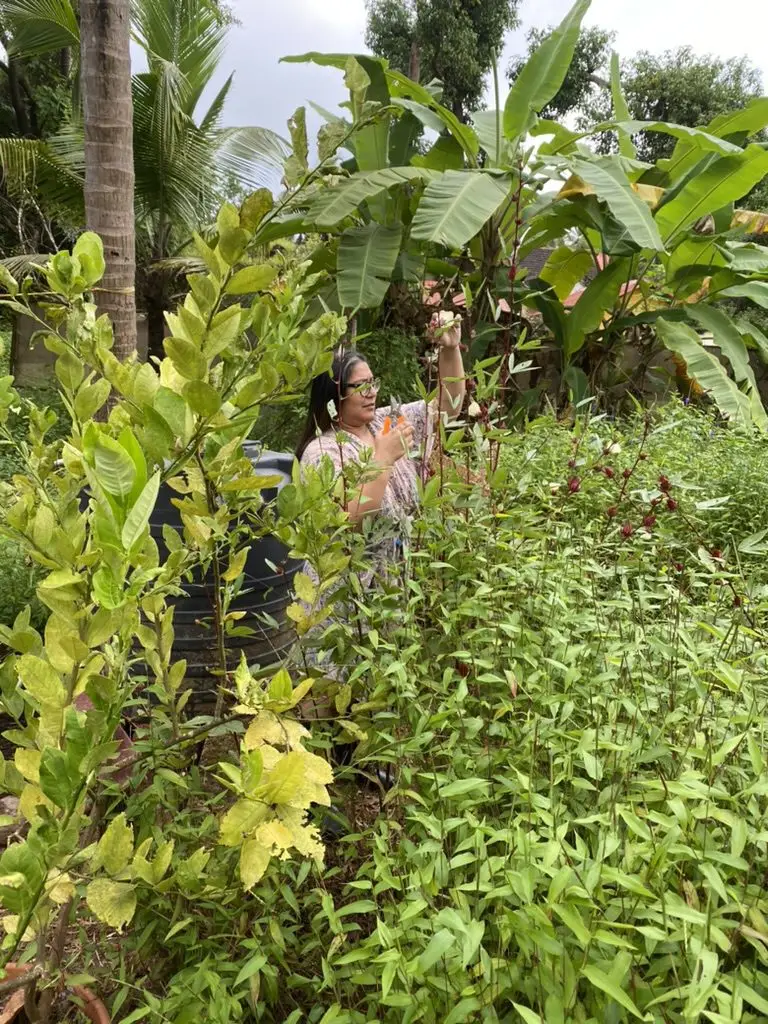
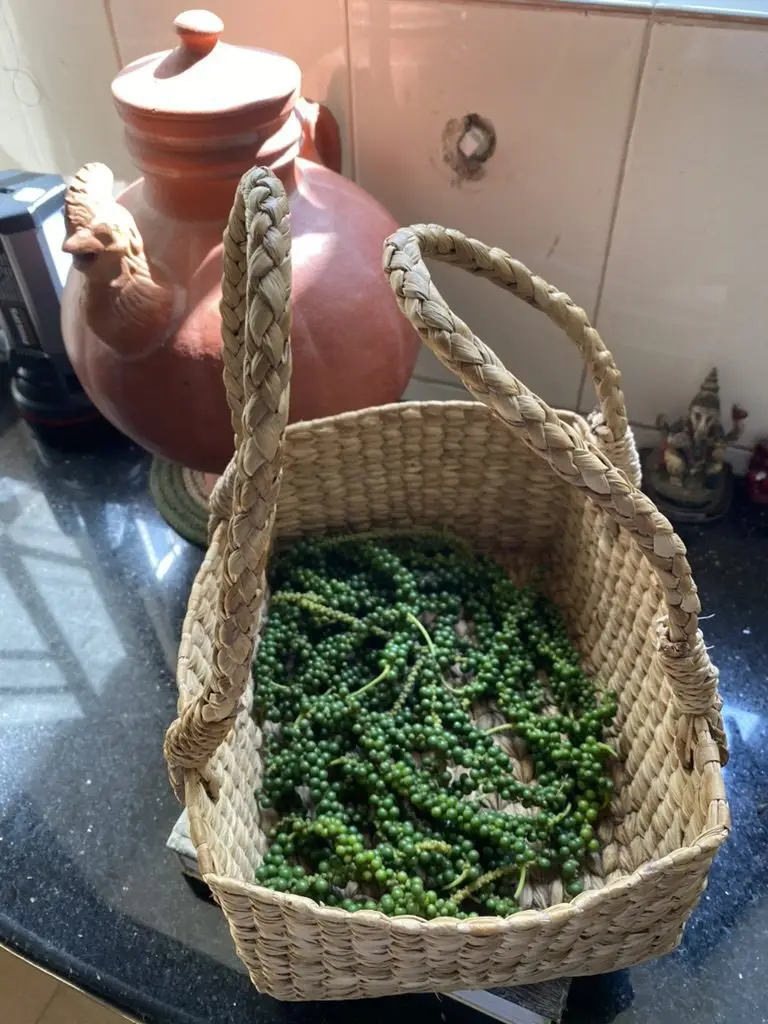
Goa was basically and introduction and practice. The Nilgiris has been the real thing.
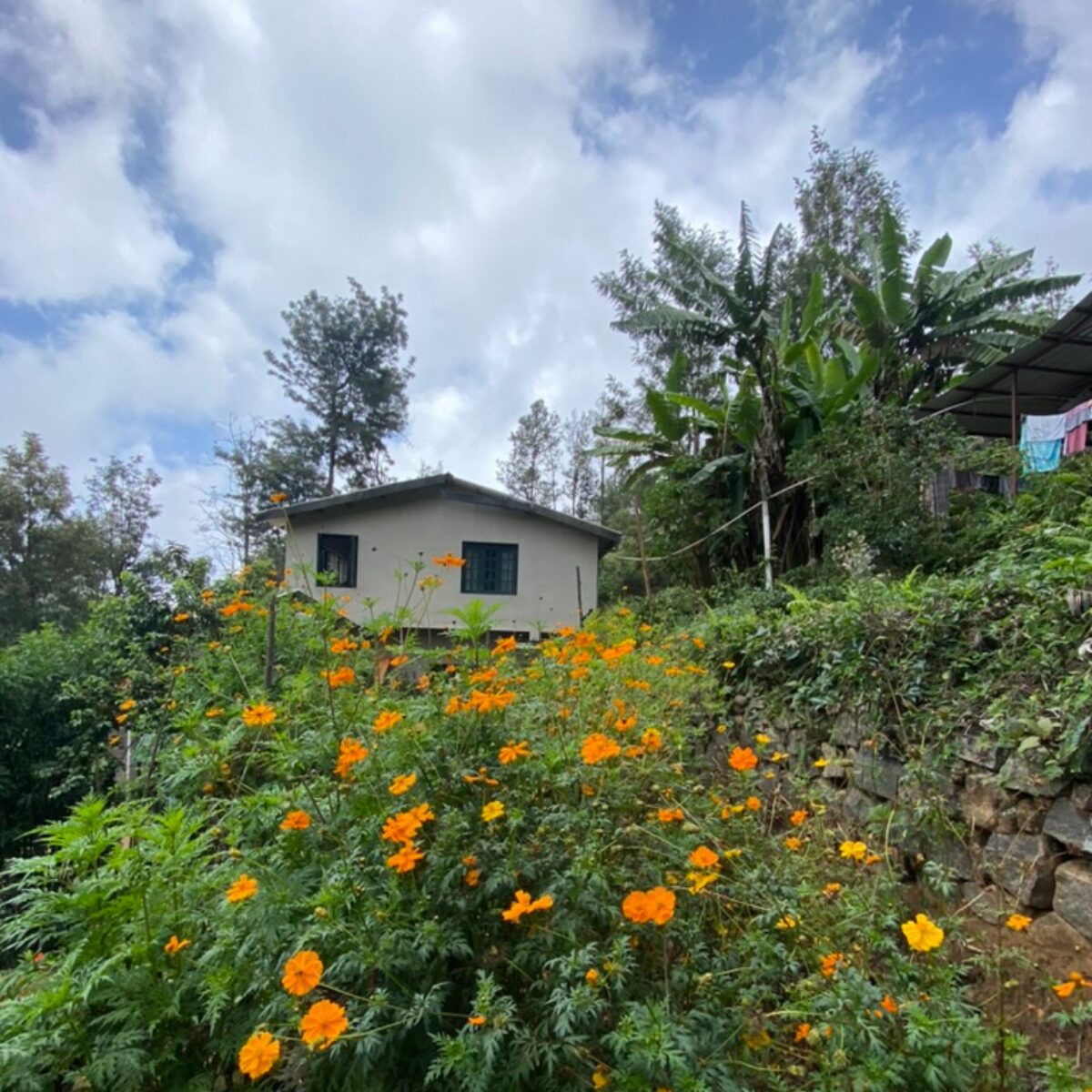
Here I cleared a short strip of tea bushes to set up a dedicated kitchen garden, with local Nilgiri-centric permaculture concepts, I’ve learnt, had successes and the incredible feeling of being rewarded.
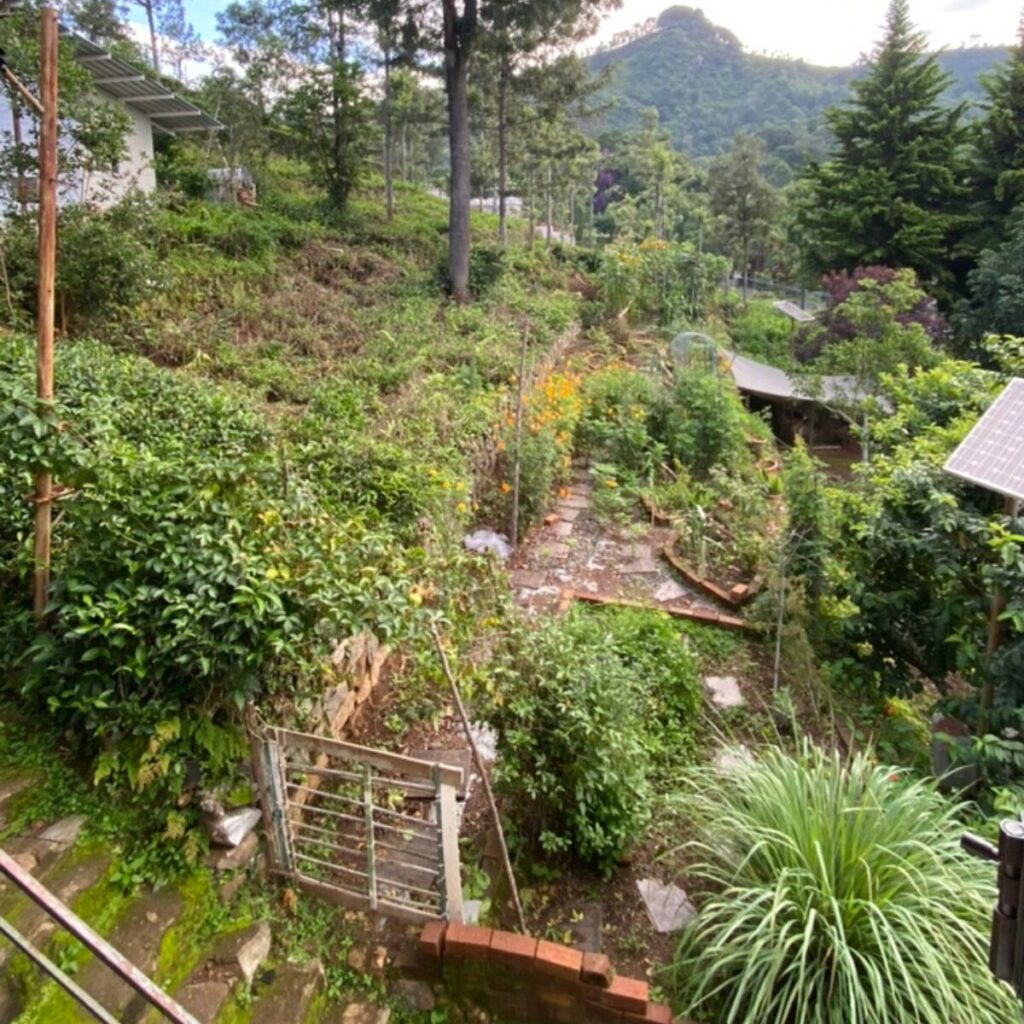
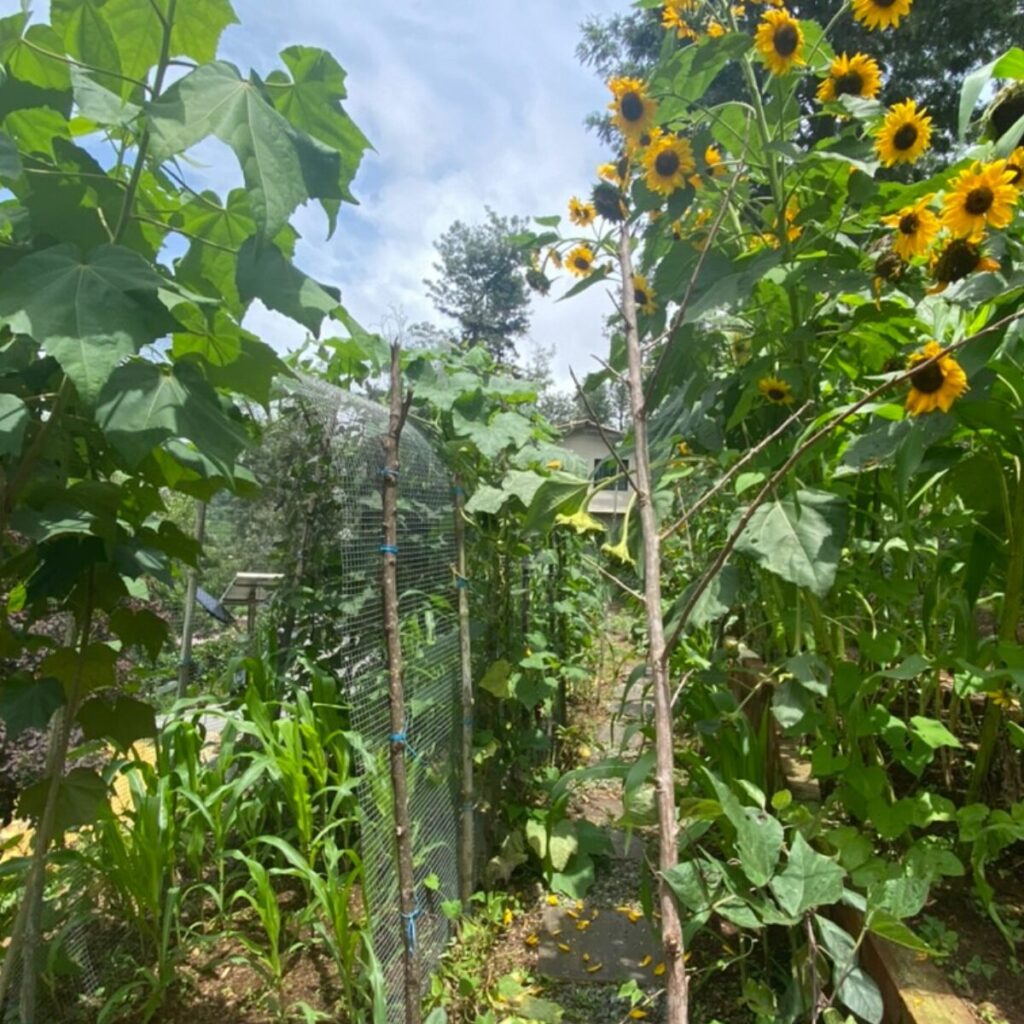
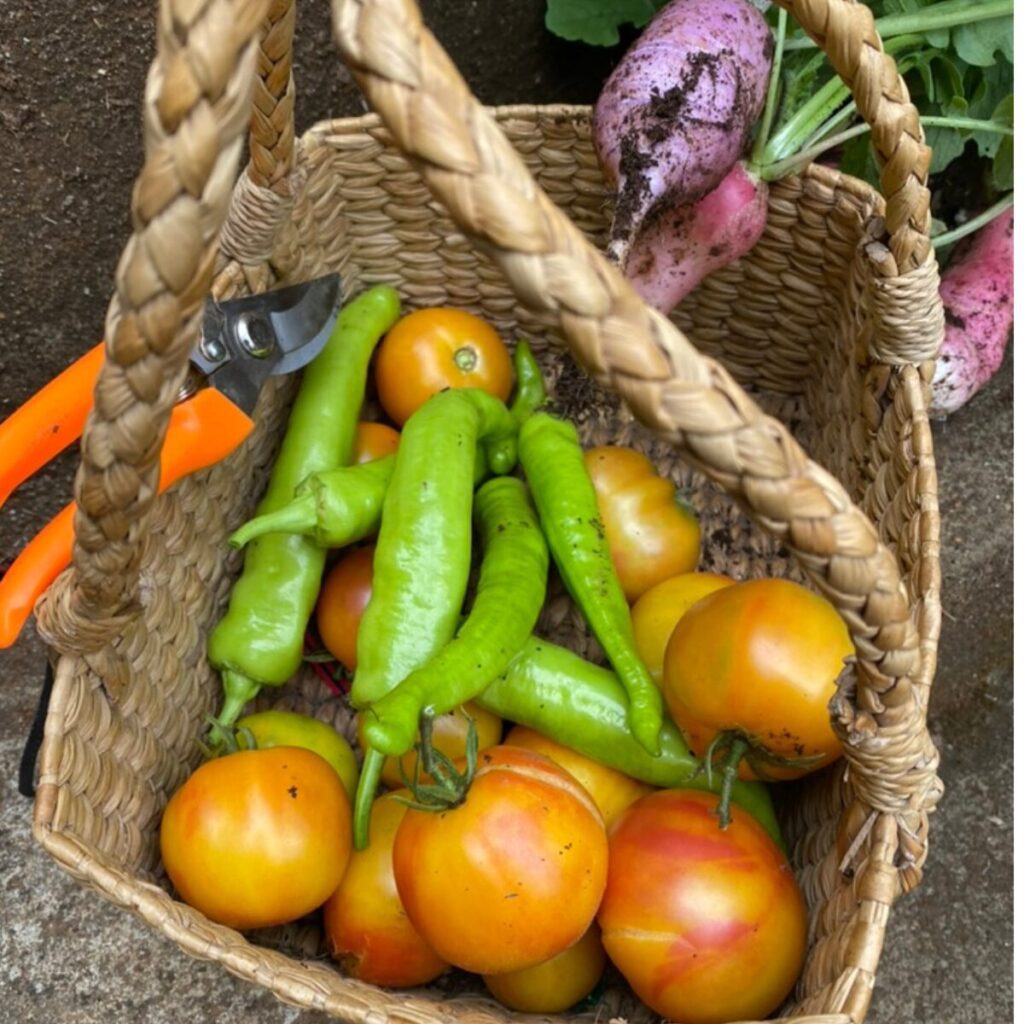
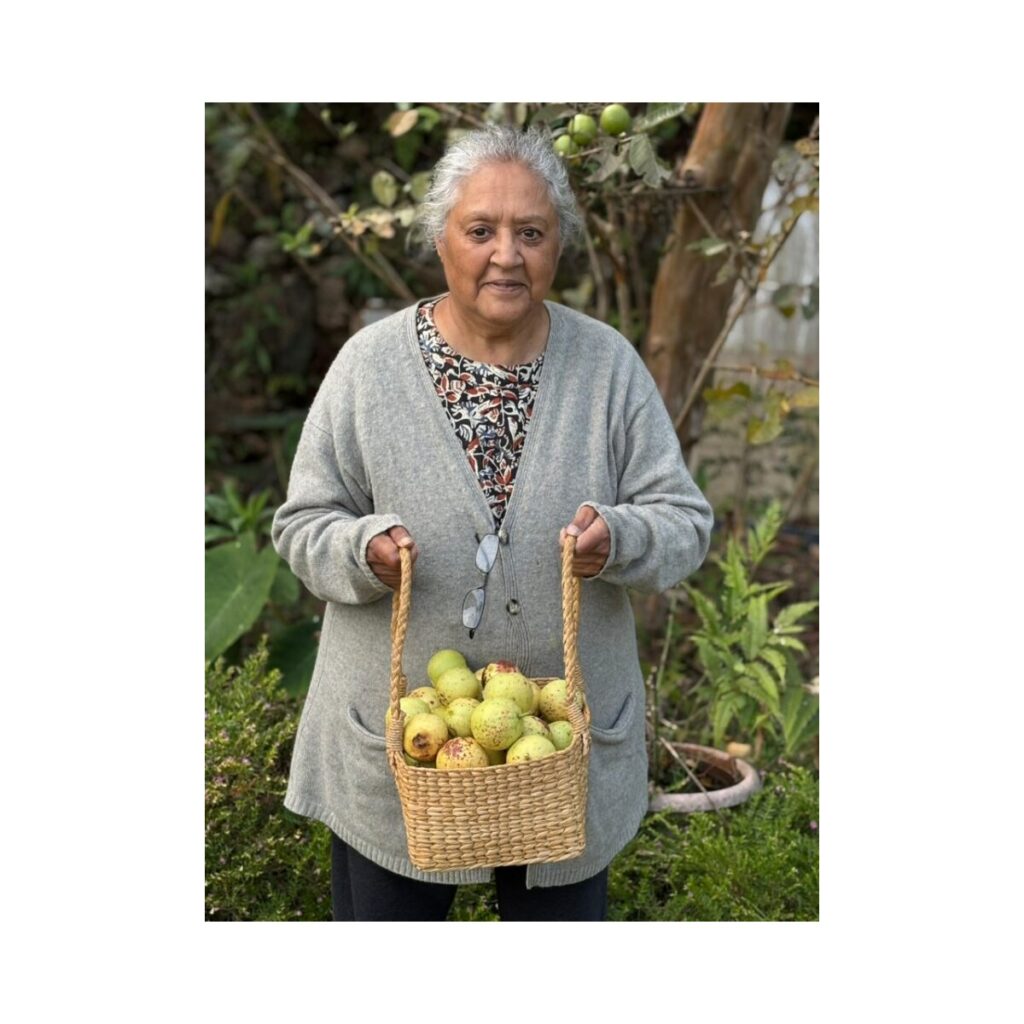
Finally, a garden that feeds itself
Although for the first eight months, I simply observed. Planted nothing. The estate already had peach, banana, avocado, guava, papaya and flowers. Then a short strip of tea bushes were cleared and I designed my own garden — leaf-shaped raised beds, a line of vetiver, shola grass and lemongrass to hold soil where it tends to slip, a separate herb and medicinal plant section, trellises for beans and tomatoes, strips of cosmos, cornflowers, daisies, yarrow and marigolds interspersed with basil (70% of seeds I plant are from the brilliant Yarroway Farms).
Season by season, the garden has given bounties — bell peppers, chillies, eggplants of every variety. When my mother was diagnosed with Parkinson’s, I planted velvet beans — a plant-based source of dopamine.
I added the flowers because the bees needed them, and because cutting a bunch of something you’ve grown yourself and putting it on your table is a quietly radical pleasure.
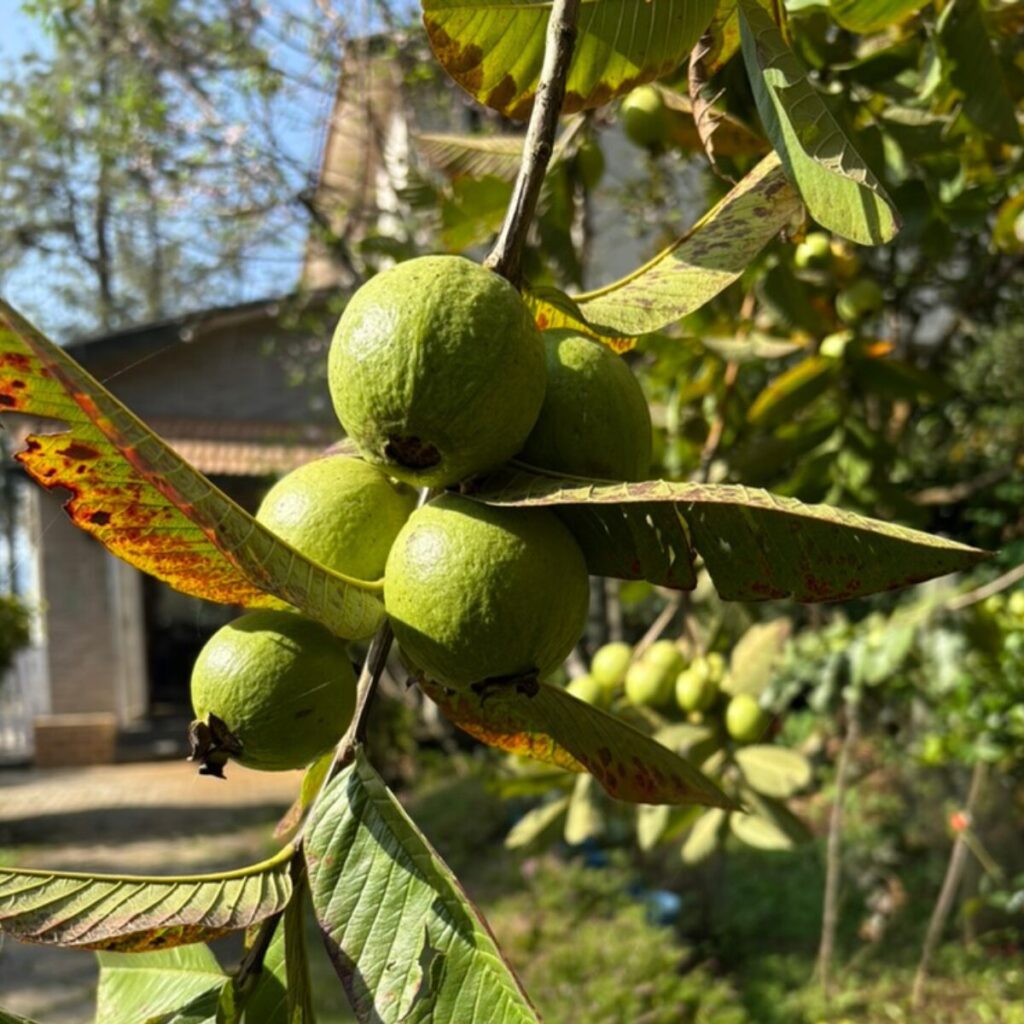
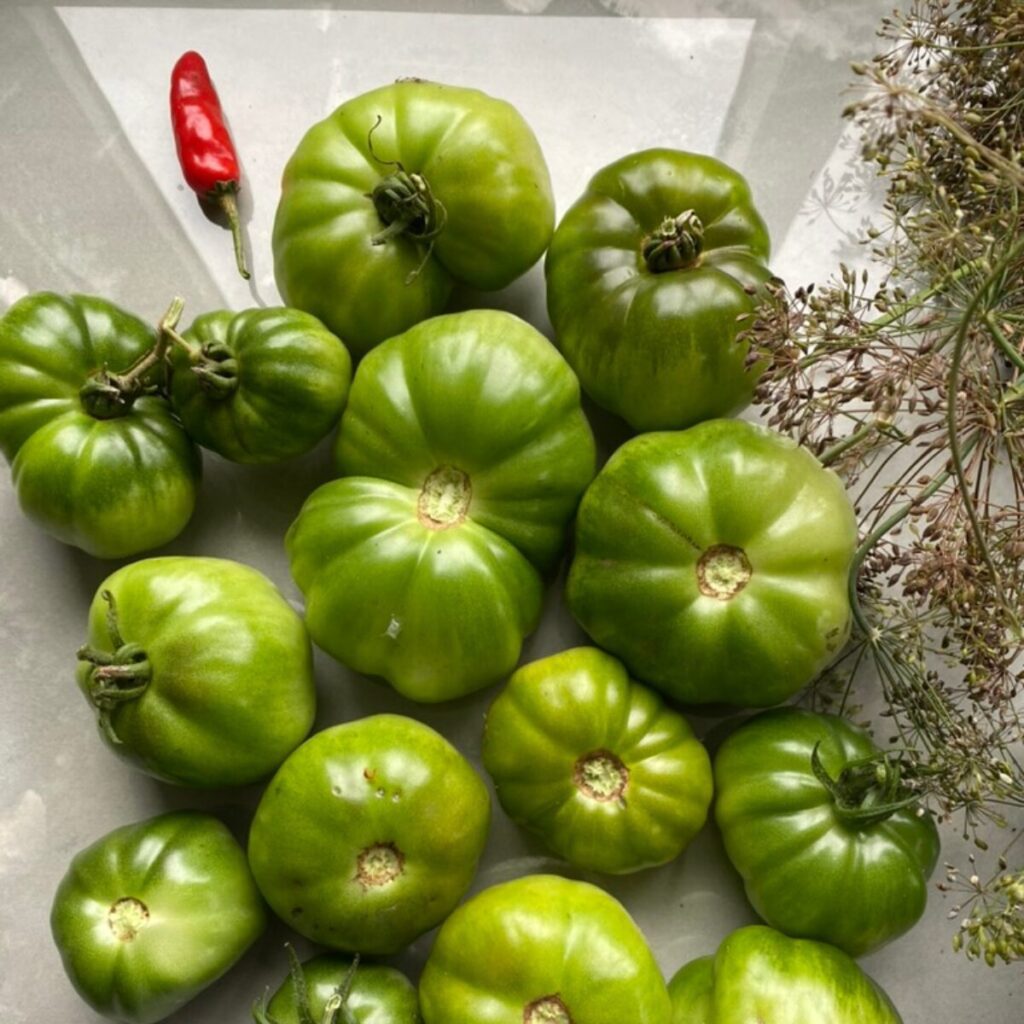
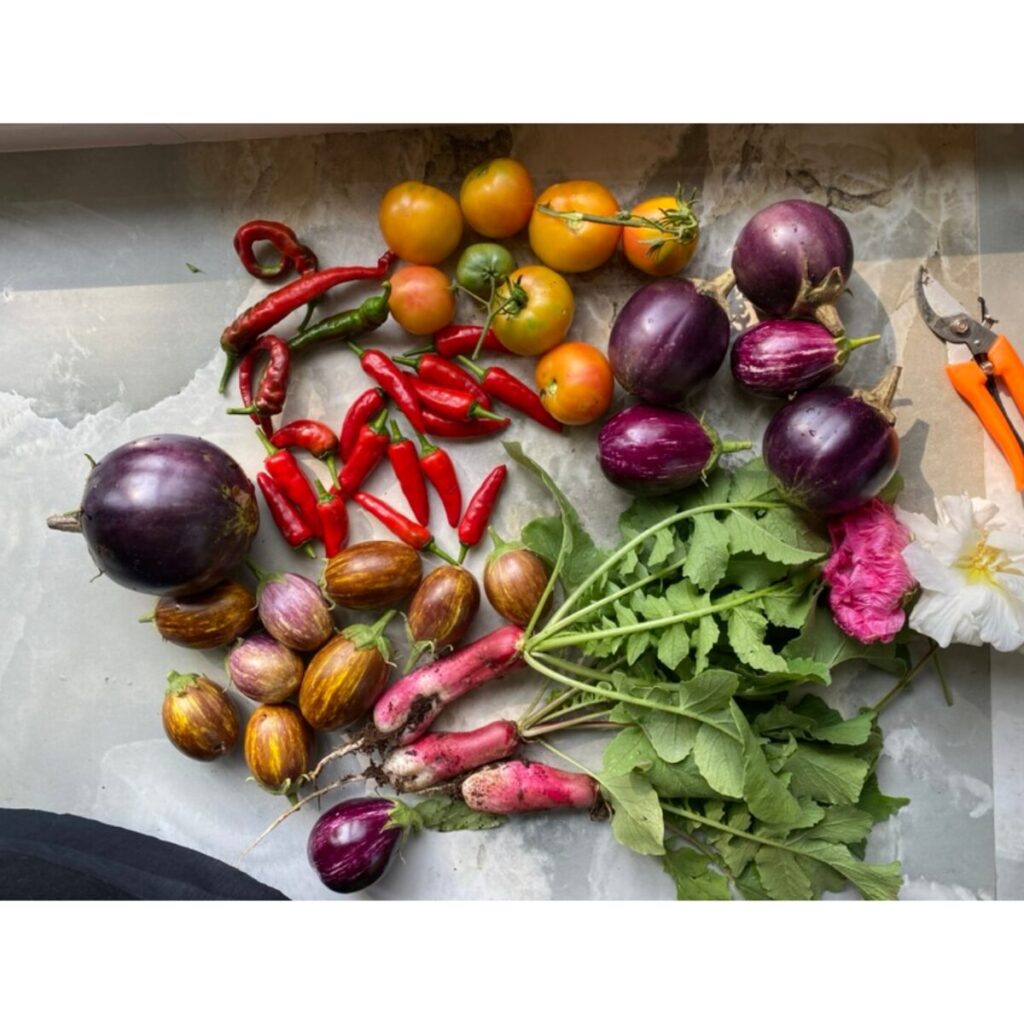
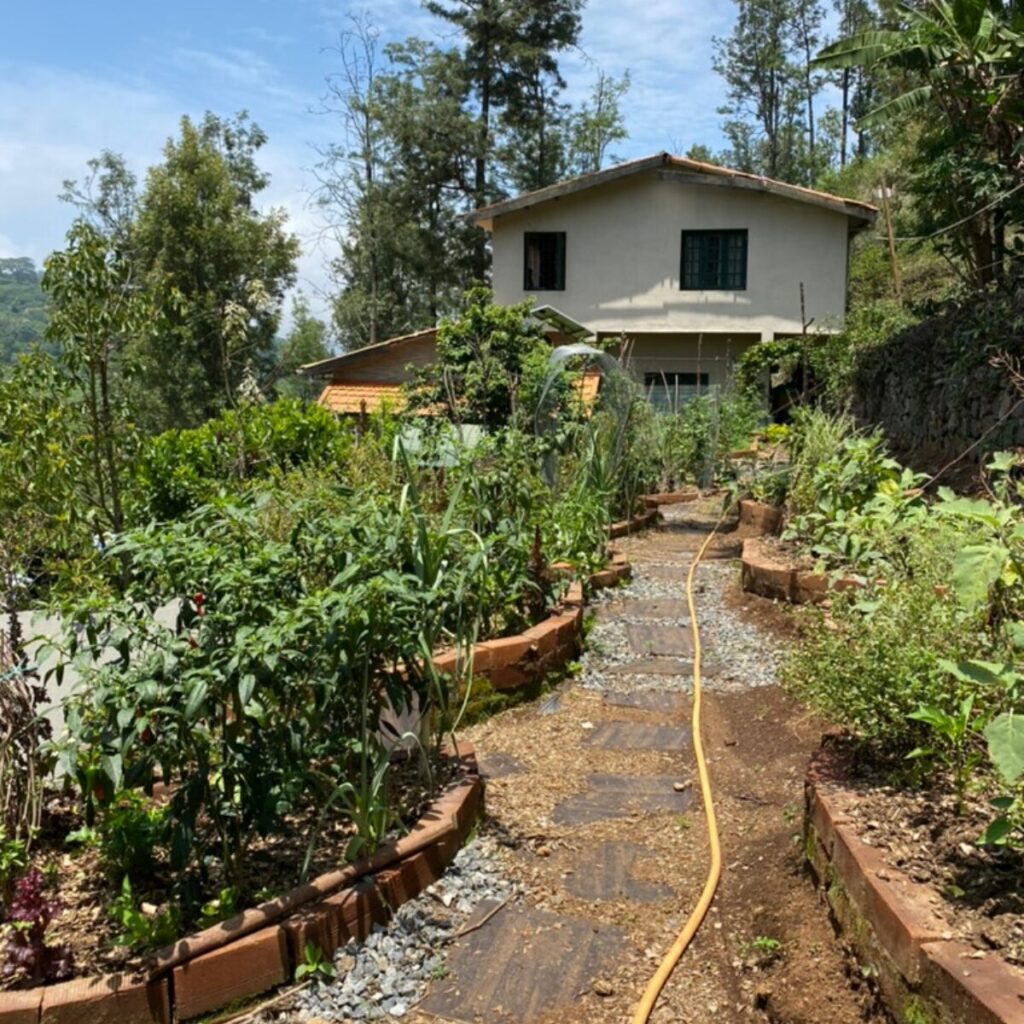
The garden looks, I think, like always a work in progress — much like me. Not Instagram-perfect, but genuinely alive and producing and layered in the way that good gardens are.
There’s always something to do in it. There’s always, if I stand still for a moment, something happening in it without me.
That’s the part I didn’t expect to love as much as I do. A garden doesn’t wait. It keeps going regardless. That’s either humbling or reassuring, depending on the day.
Most days it’s reassuring.
PS. Malvikaa is holding an Introduction to Permaculture from June 27-28, 2026 at Swa Vana, to register just click here: Sign Up Here!