In 2005, I had a rather detailed fantasy.
It involved goats. A wood-fired pizza oven. Tomatoes grown right outside the kitchen door. And a long Sunday lunch table full of city friends from Bombay who had driven up from wherever, slightly dusty from the journey, ready to be fed.
The pizza would have goat cheese on it. Cheese I had made myself, from my own goats. The tomatoes would be still warm from the garden. There would be wine, obviously, and a lot of noise, and dogs underfoot
I was living in Singapore at the time, married, in a great job, perfectly settled. The farm existed entirely in my head. I went looking at properties with my father anyway — just to look, and file away for the future, perhaps.
I had always been like this about farms and villages and growing things. On childhood train journeys across India, while everyone else was playing antakshari or eating namak paras from a dabba, I’d be at the window watching the fields go past. The villages, the open land, with what I thought were quaint huts and mud roads. I’d read James Herriot and Heidi and think: yes. That. Somehow, that. It was a rather romantic vision of rural living, which kind of got further picturesque because of the examples of it I saw in New Zealand. Read on and you’ll see why
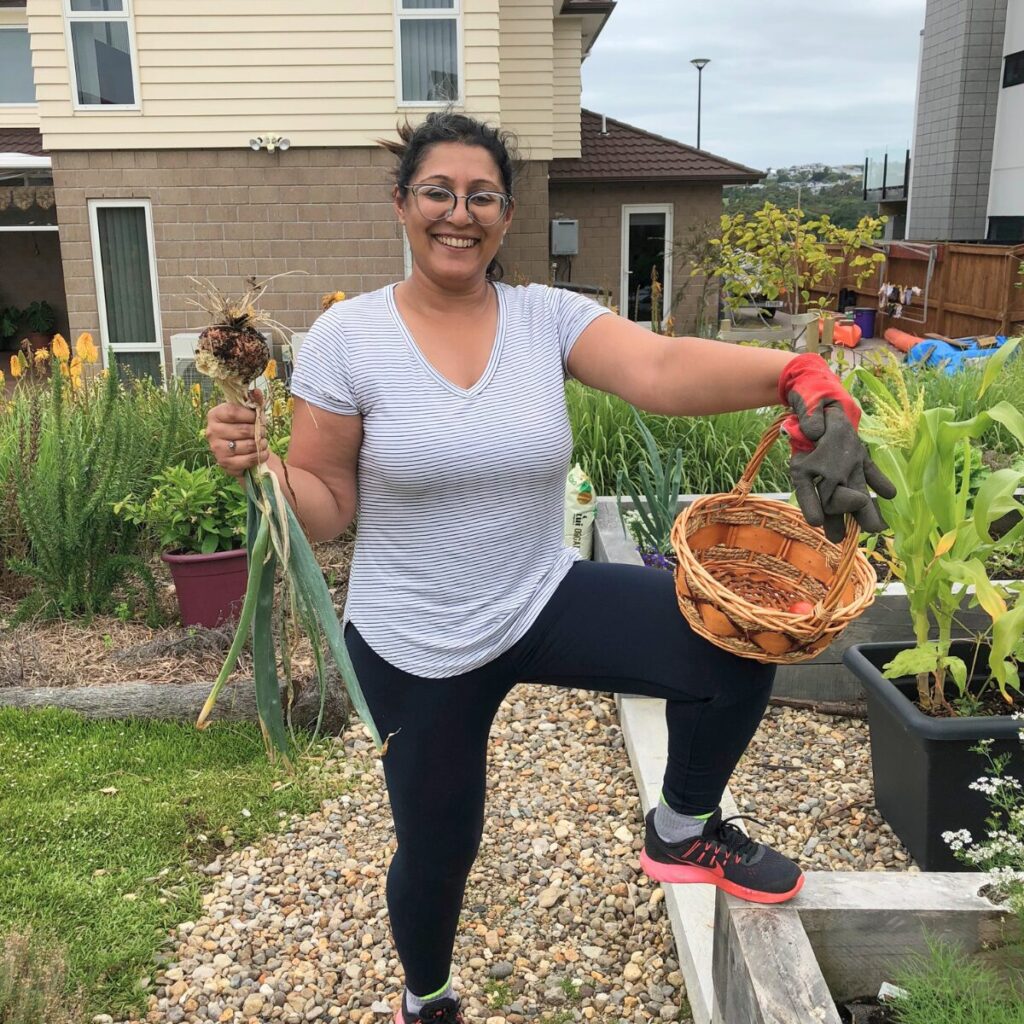
In 2016 or 2017, I was visiting my aunt and uncle in Auckland for Christmas — something I do every year — and I spent a few days helping them set up the garden in their new house. That’s where I met Barbara. Barbara is a delightful, eccentric woman, slightly mad in the best possible way, who has a garden that looks, at first glance, like organised chaos. Plants and trees and vegetables all tangled up together, abundantly producing — the first time I visited, her plum tree was so laden with fruit there was a carpet of them on the ground. She didn’t use pesticides or fertilisers. It thrived on the strength of her convictions and something called companion planting.
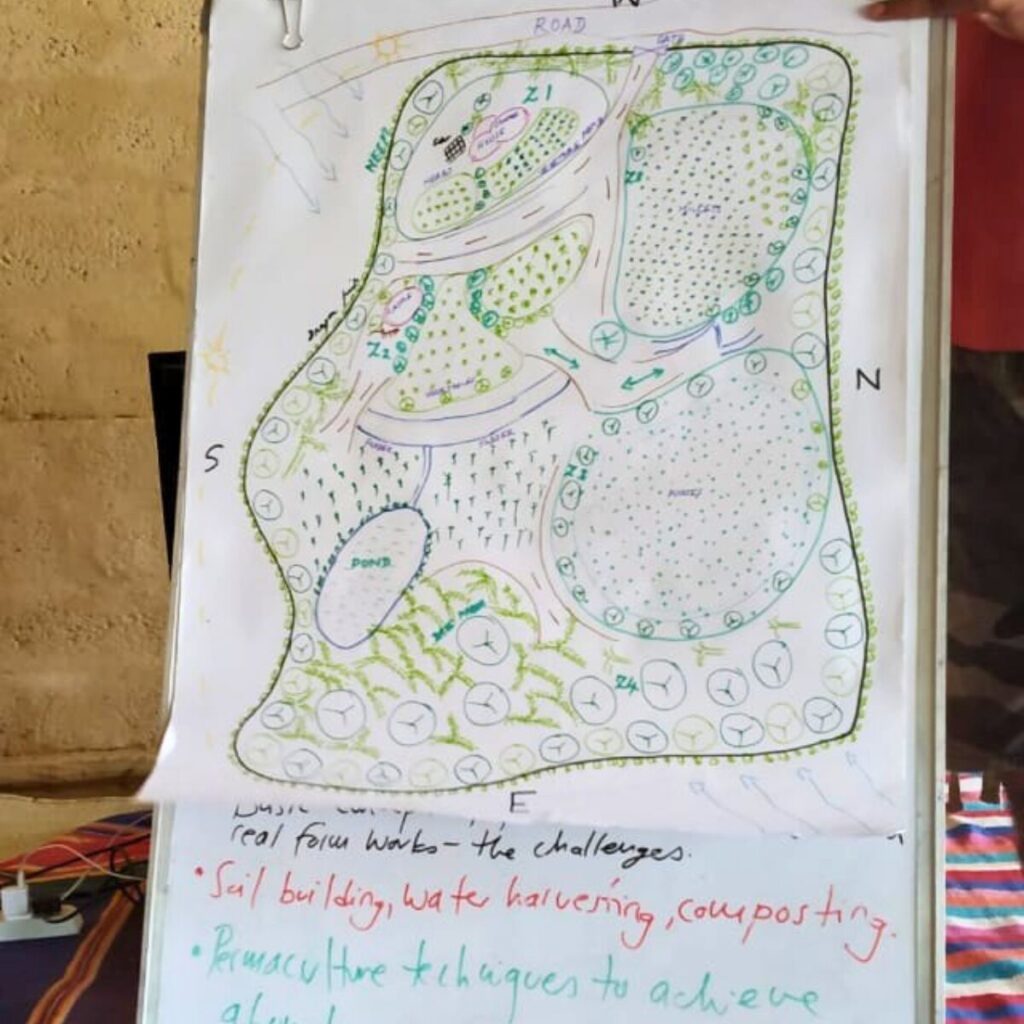
She walked me around it and told me a little about permaculture principles. I came home with my head full of ideas and a sense that I had been circling something important for a very long time.
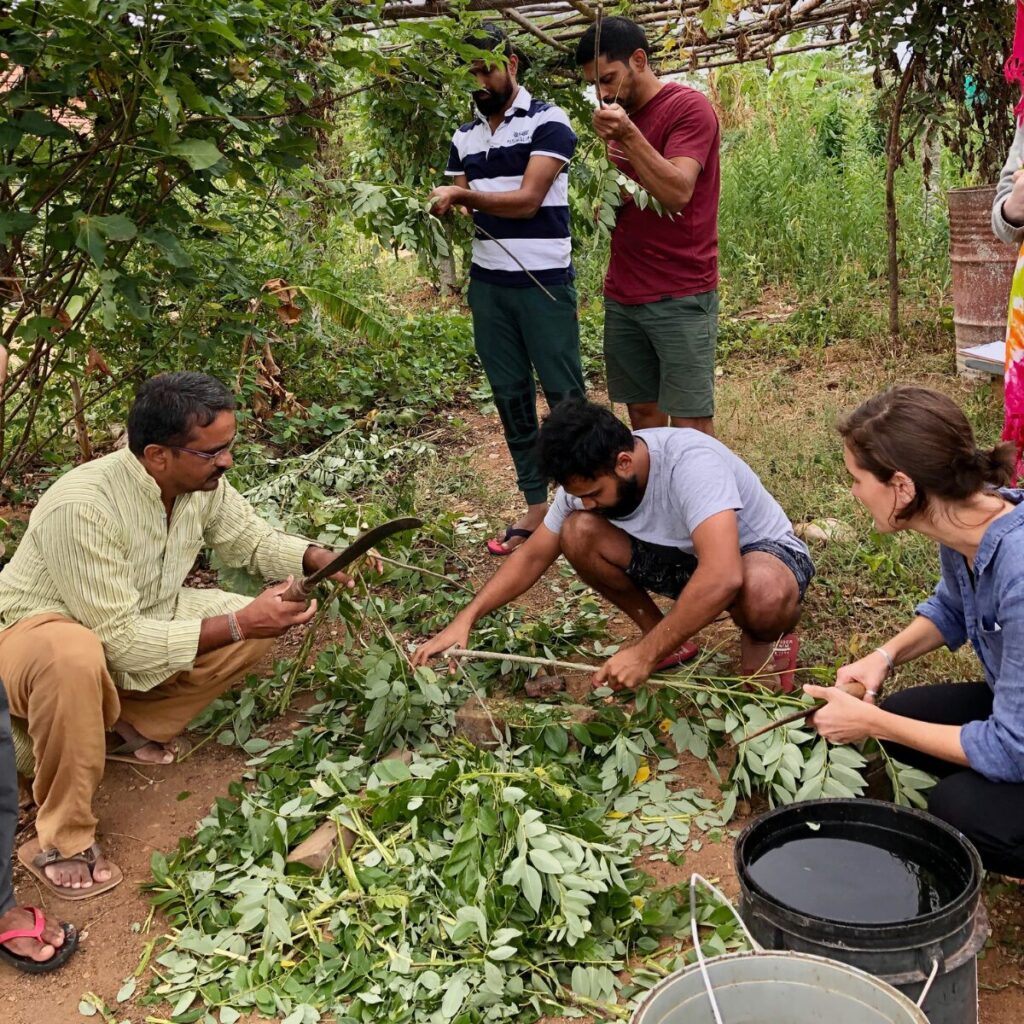
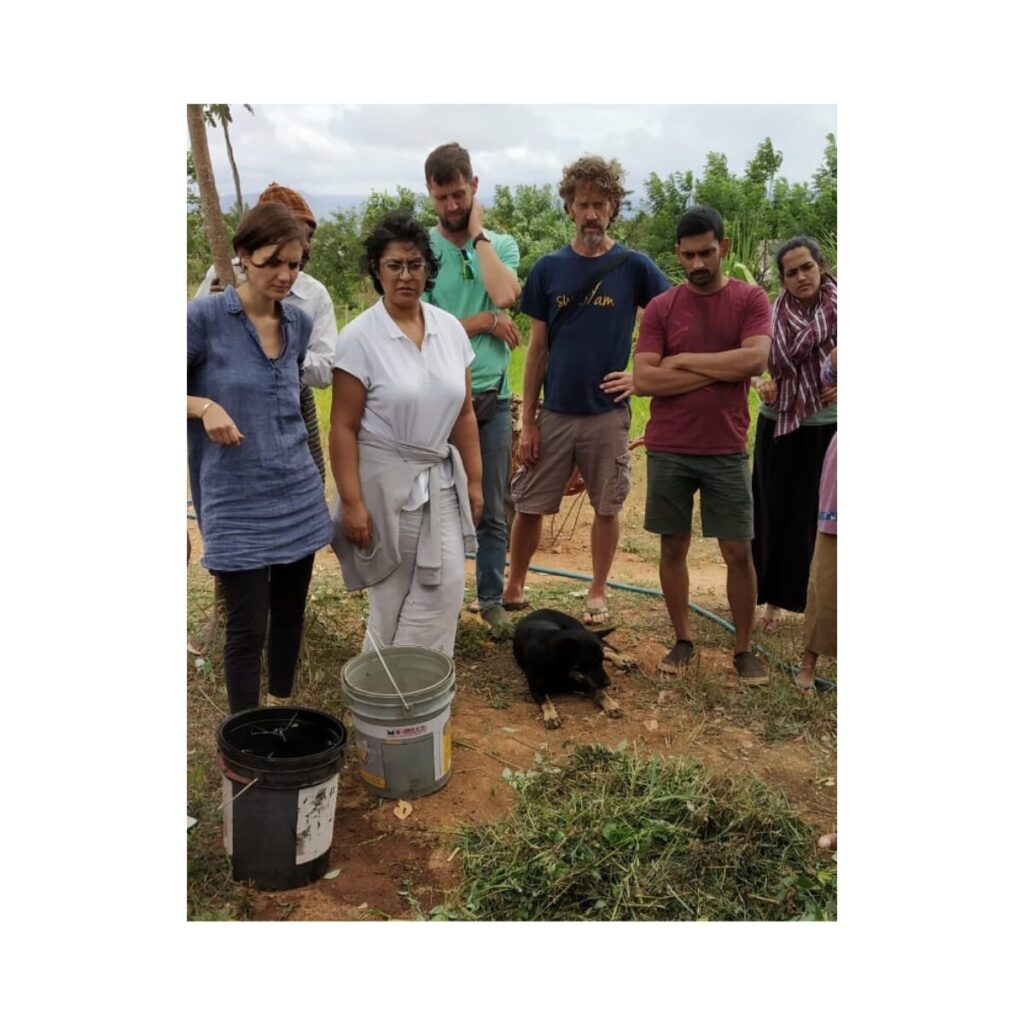
The following year I signed up for a permaculture course. It was held on a farm run by a remarkable woman, Malvikaa Solanki — she had bought the land, built the whole thing herself, raised children, and created a genuine community around it. I remember feeling rather bolstered that it was actually possible for a woman to do this on her own.
I came home with a germ of an idea. In the next five to eight years, I would transition out of city life. I would rent a piece of land somewhere first, try it out, see if the fantasy held up against the reality. Then buy and settle.
It got a little fast-tracked. In 2020, a global pandemic, and a landlord in Goa eventually raising my rent made my idea fully, irrevocably real. But the seed — if you’ll forgive a fairly obvious metaphor from someone who now grows things for a living — was planted in 2005, in a conversation my father and I had while looking at farmland we were browsing rather than buying.
The goats haven’t materialised yet.
Everything else has.